Foundation Notes.
Talmon was founded by a qualified nutrition professional with a background in applied dietary research and habit formation. The archive grew from field observations, meal-pattern records, and seasonal ingredient studies conducted across the United Kingdom.
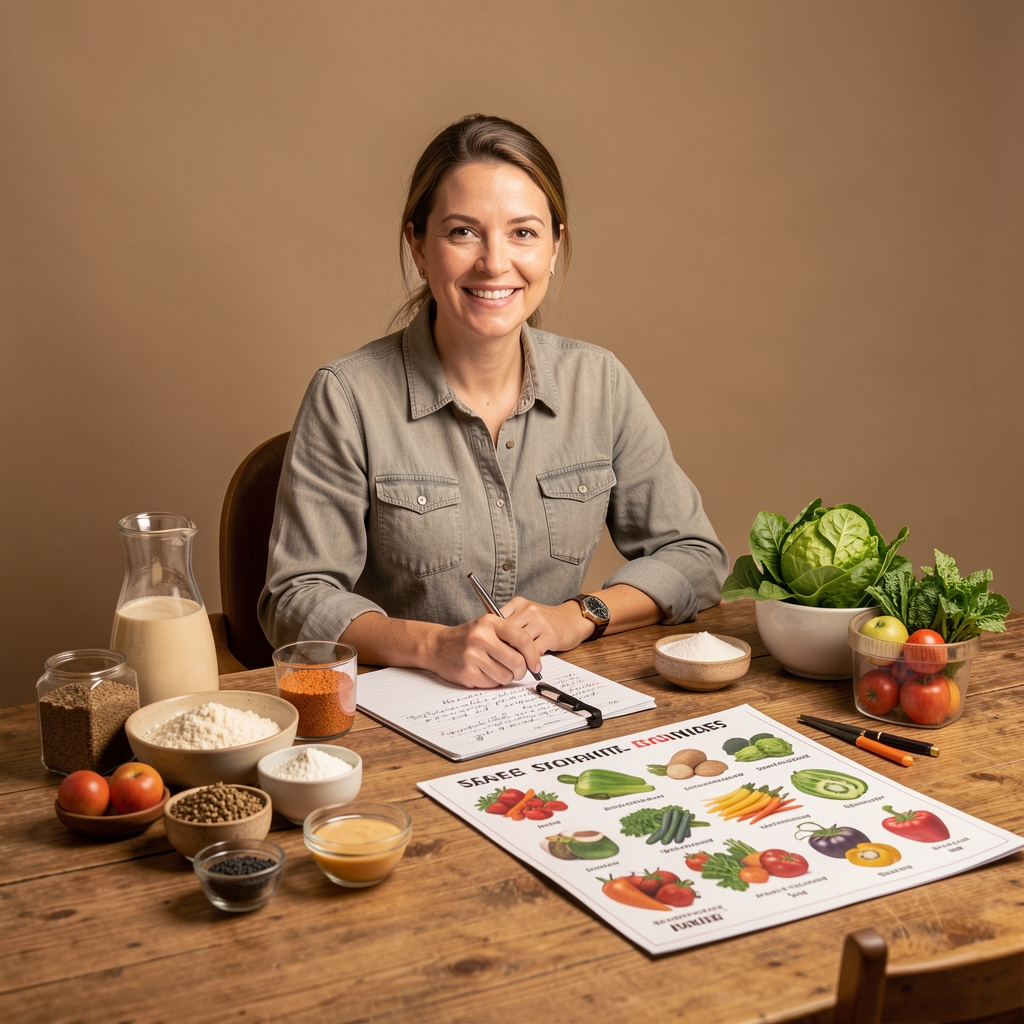
Archive Ref: AB-01 — London studio, 2019
A working record, not a fixed programme.
The Talmon approach emerged from the observation that most eating guidance focuses on short-term restriction rather than the gradual formation of lasting patterns. Reviewing published nutritional research alongside field-collected meal records suggested that small, consistent adjustments to food-choice environments produced more durable outcomes than structured elimination protocols.
This observation became the organising principle of the archive: document what actually persists, not what temporarily works. The result is a catalogue of whole-food frameworks, seasonal ingredient assessments, and meal-pattern protocols built from real-world habit tracking rather than idealised study conditions.
Talmon products are nutritional food-supplements registered with the applicable local regulatory authority under food-supplement classification. Products meet compositional and labelling requirements for nutritional supplement categories.

Fig. AB-02 — Habit record journal, Q3-2022
The principles that organise the archive.
Real Food First
Every framework in the Talmon archive is built around minimally processed, whole-food ingredients. Refined and ultra-processed items appear only as contextual reference points, never as the basis of a recommended eating pattern.
Seasonal Awareness
Ingredients are assessed and catalogued by season and UK region. Seasonal eating is documented not for its aesthetic appeal but for its practical effect on variety, micronutrient diversity, and prosupportment simplicity.
Habit Over Restriction
The archive documents patterns that persist, not interventions that produce short-term results. The distinction matters: sustainable eating is an accumulated set of small, repeatable choices, not the sustained absence of particular foods.
Evidence-Informed Practice
Guidance frameworks reference published nutritional research and independent batch verification. Ingredient profiles are selected based on documented nutritional research rather than popular positioning or promotional claims.
Practical Framing
Meal protocols in the archive are designed for real schedules, real kitchens, and real budgets. Where tradeoffs exist between ideal nutritional composition and practical preparation, both options are documented with notes on the differences.
Transparency of Record
Archive entries include lot codes, sourcing notes, and revision dates. Where a framework has been updated in response to new research or observed outcomes, the prior version and the reason for revision are both retained.
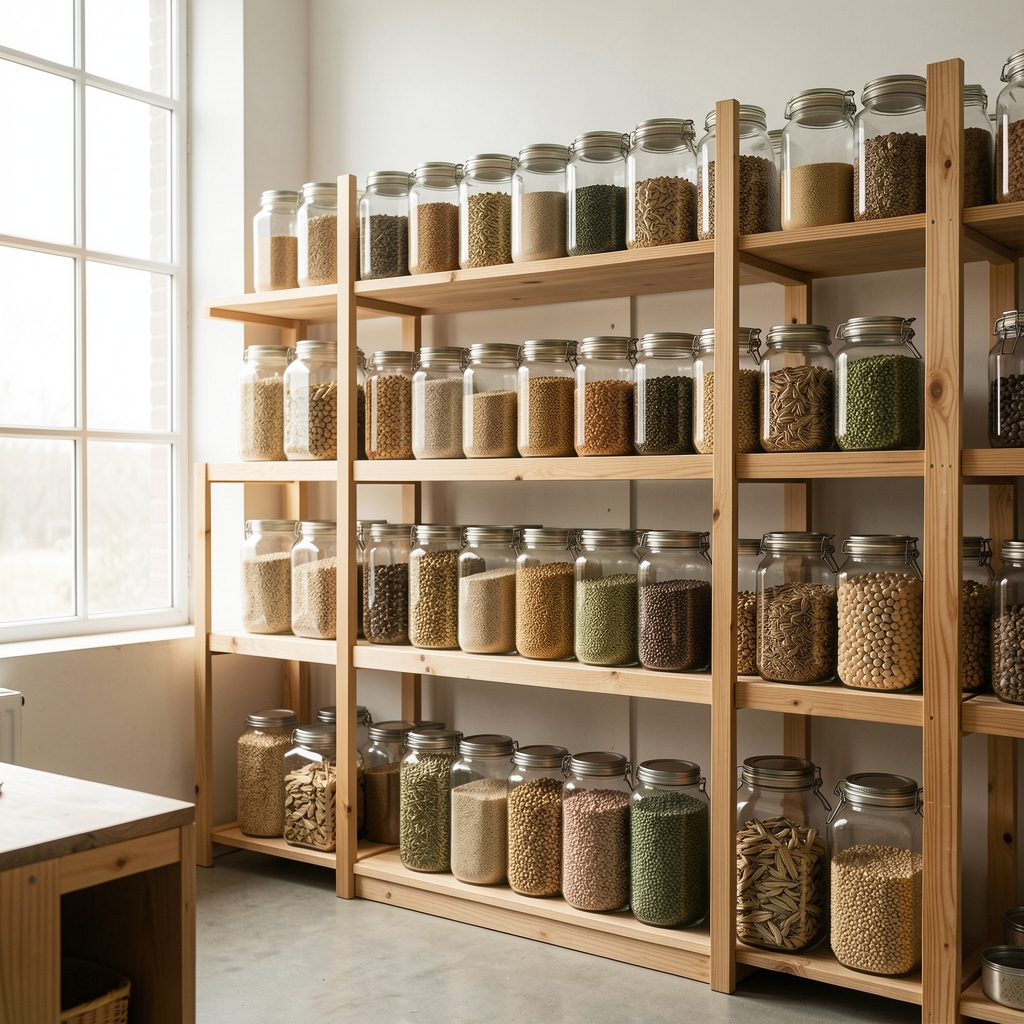
Studio — Hoxton Square, London
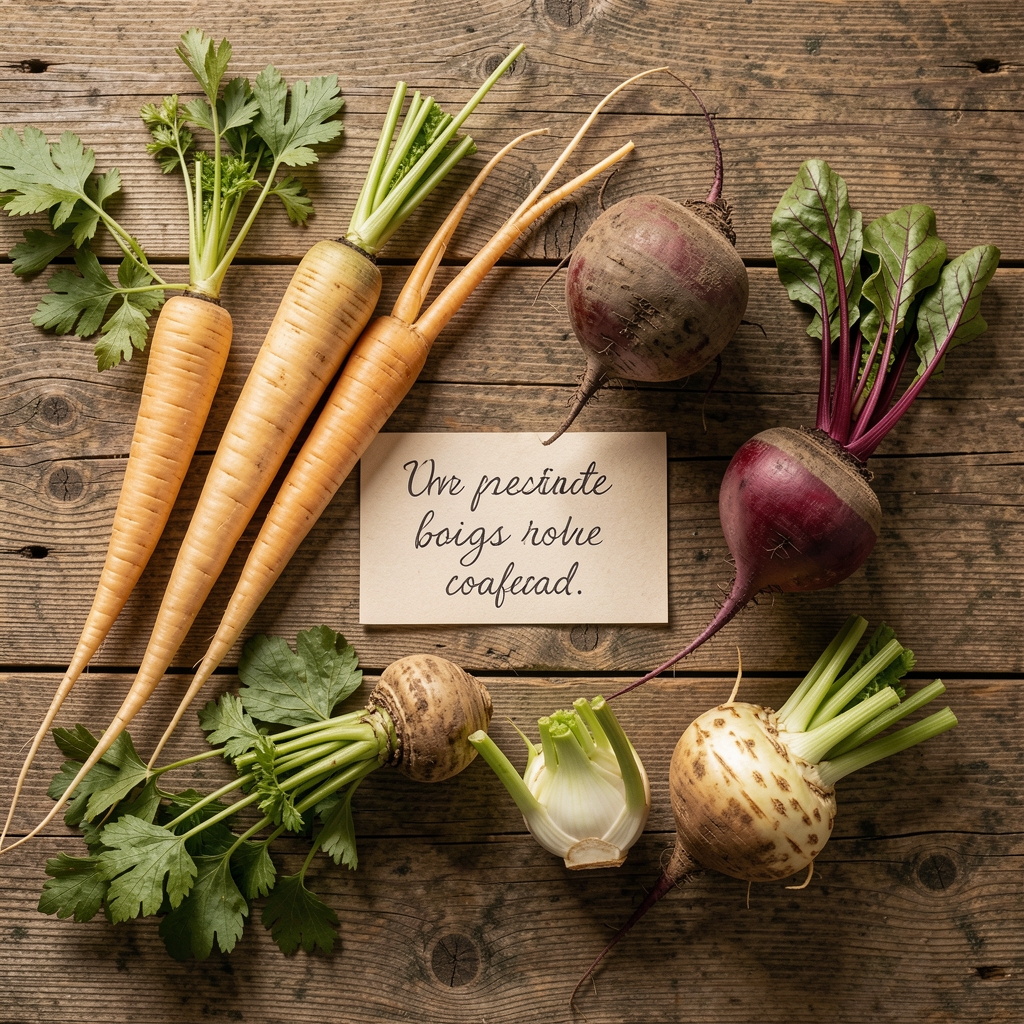
Seasonal intake survey — Autumn 2025
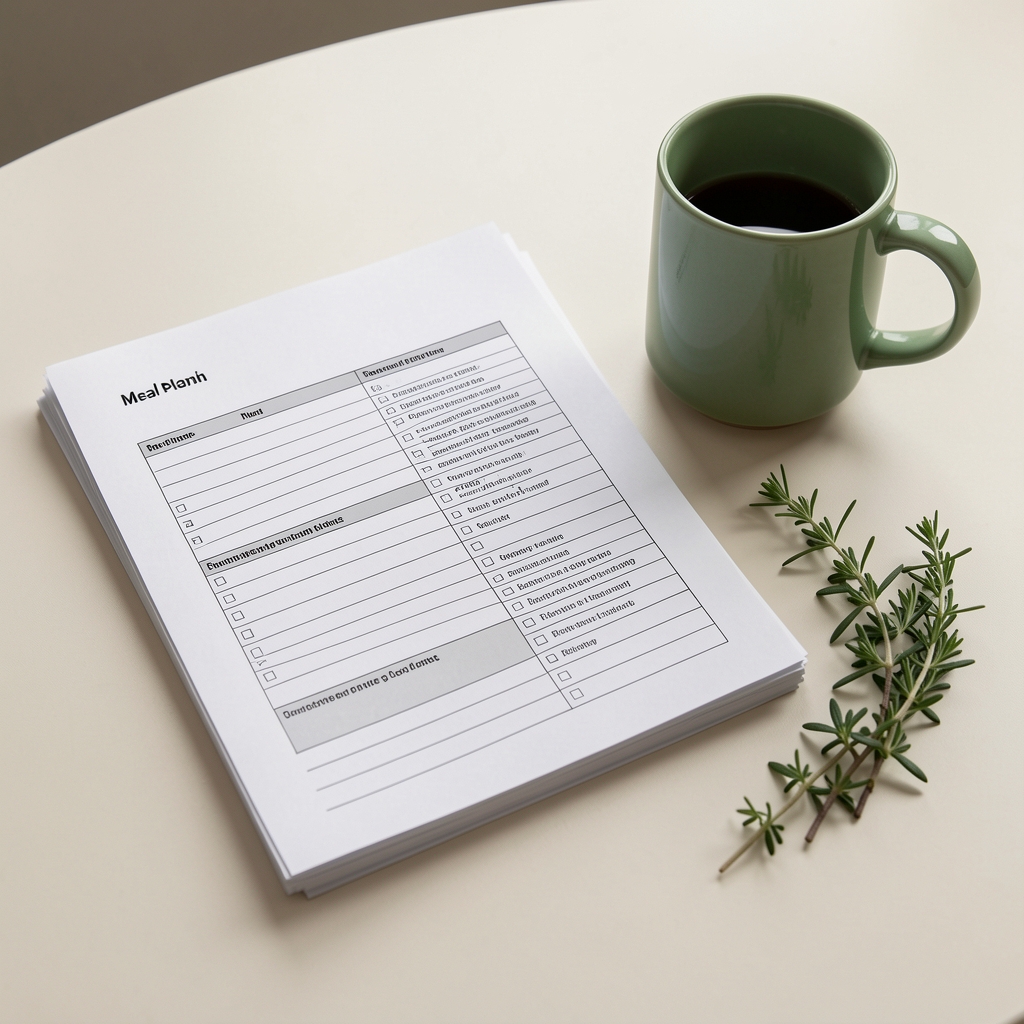
Protocol documentation, revision 07

Plate composition study, batch PL-14
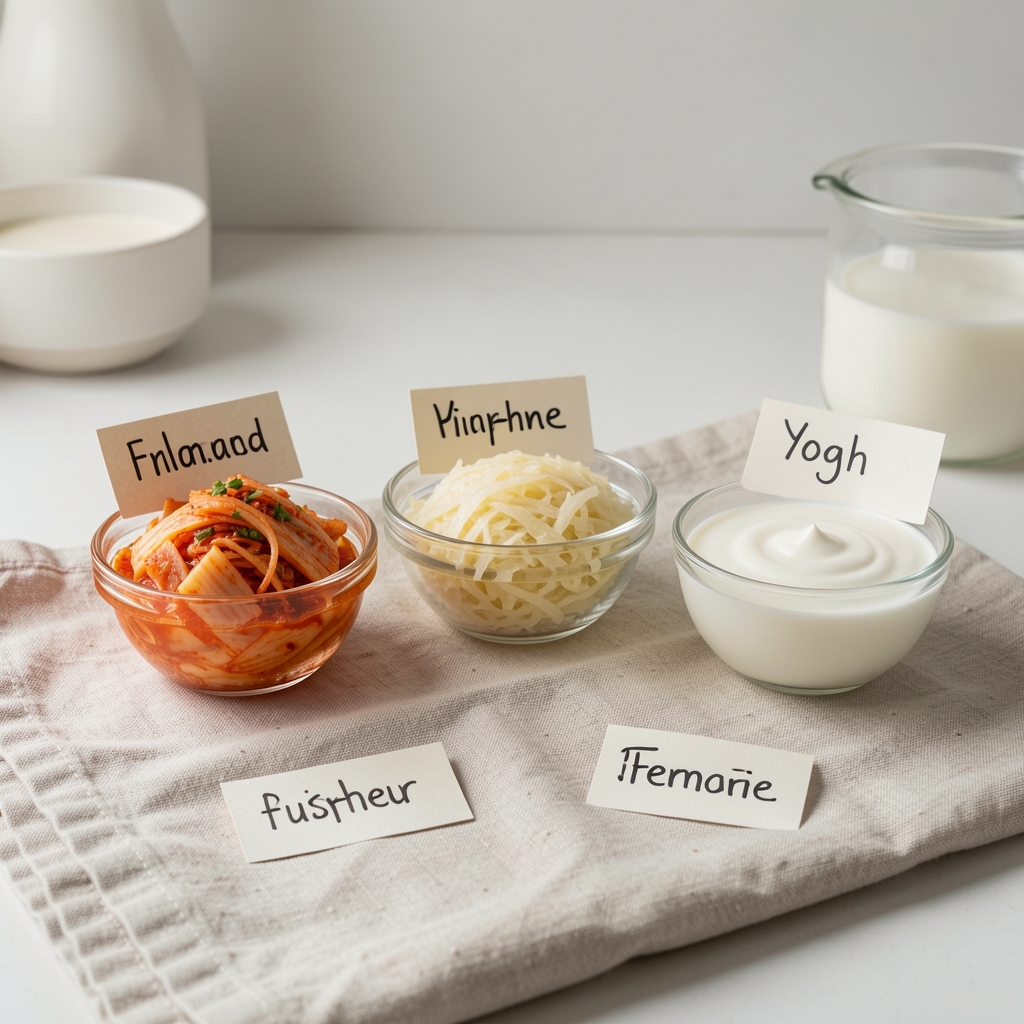
Gut-friendly ferment catalogue, Q1-2026
“There is a quiet consistency to how a body sustains itself across years — a consistency that becomes visible only when the record is kept long enough to observe it.”
Talmon Archive Entry 001 — London, 2019
A record of how the archive developed.
Archive established, London
The first meal-pattern records were collected from a cohort of working adults in Central London. Initial focus: identifying which dietary adjustments persisted beyond a 12-week observation window without active reinforcement.
Seasonal ingredient catalogue introduced
A systematic UK seasonal produce assessment was added to the archive, cross-referencing regional availability, approximate micronutrient profiles by batch period, and preparation method records. Revision 01 of the seasonal eating guide published internally.
Meal protocol framework formalised
Seven distinct meal-pattern frameworks were extracted from the observation data and documented as repeatable protocols. Each framework was assigned a lot reference, annotated with activity-level adaptations, and cross-indexed with the seasonal ingredient catalogue.
Archive published to talmon.info
The Talmon archive and guidance materials are now accessible via this site. New entries are added quarterly. The meal-pattern database is updated annually with records from the ongoing UK observation cohort.
Questions about the archive or guidance approach.
The Talmon office is based at 29 Hoxton Square, London N1 6NN, and is open Monday through Friday, 09:00 to 18:00. Enquiries by phone or email are welcomed.